
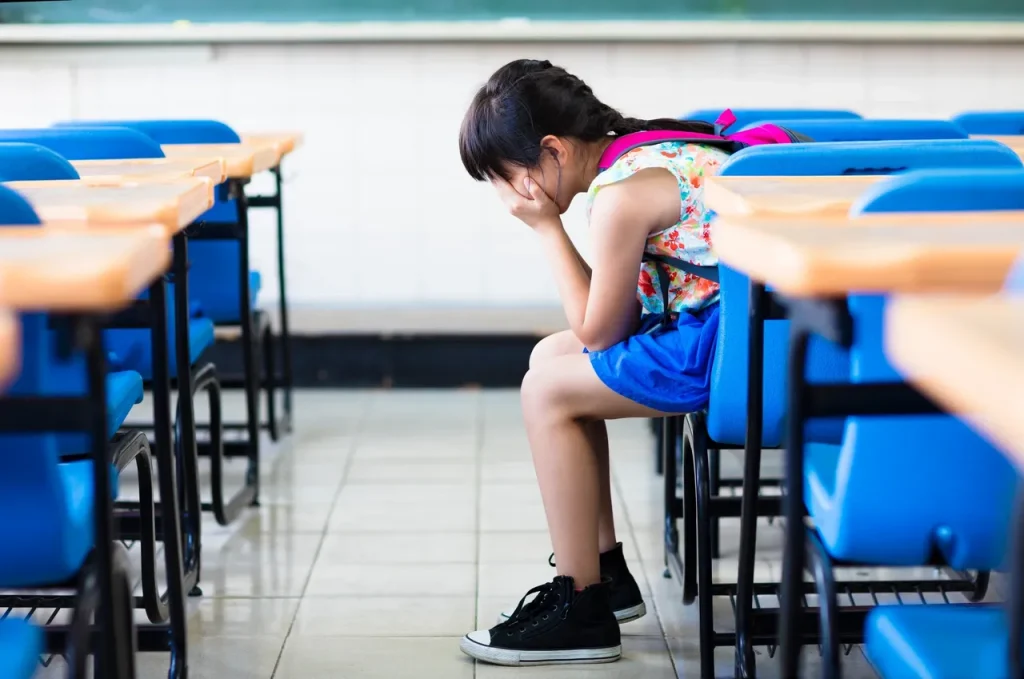
Depression is one of the more common reasons that parent seek therapy help for their children. However, it can be hard to figure out if that is what’s actually going on because depression can mask as other behaviours. Often, depression can show up as behavioural difficulties at home or school; irritability; in physical symptoms such as stomach aches or headaches or becoming disinterested in academics or other activities. It can be heartbreaking to see your child struggling emotionally. Depression in children is a serious issue, and recognizing the signs can help you provide the support your child needs.
What is Depression in Children?
Depression in children isn’t just a passing mood; it’s a mental health condition that affects how a child thinks, feels, and behaves. Unlike adults, children may not always show sadness—they might act out or become irritable instead. Without support, childhood depression can impact academic performance, relationships, and emotional development.
Signs and Symptoms to Watch For:
- Emotional: Persistent sadness, irritability, feelings of hopelessness.
- Behavioral: Withdrawal from friends, family, or activities, trouble focusing, acting out.
- Physical: Frequent aches or pains, low energy, changes in appetite or sleep.
- Academic or Social Decline: Drop in school performance, difficulty making friends.
What Causes Depression in Children?
Depression can be triggered by several factors:
- Biological: Genetic factors or chemical imbalances in the brain.
- Environmental: Stressful life events, trauma, or family problems.
- Social/Emotional: Difficulty coping with emotions, such as frustration or loneliness.
How Parents Can Help:
- Encourage Open Communication: Encourage open communication of feelings at home and let your child know they don’t have to deal with hard things alone.
- Be Patient: It might take time for your child to open up or even understand their feelings.
- Create a Supportive Environment: Maintain routines to create a sense of safety and security which can help to reduce symptoms or at least not make them worse.
- Promote Healthy Habits: Encourage physical activity, healthy eating, and regular sleep as possible.
- Seek Professional Help: If symptoms of depression worsen or don’t get better after a period of time, talk to your primary care provider and/or a child counsellor.
Treatment Options:
- Therapy: Cognitive-behavioral therapy (CBT) can help children manage negative thoughts and behaviors.
- Medication: Antidepressants can help for more moderate to severe depression. Talk to your primary care practitioner about options for treatment.
- Lifestyle Changes: Encourage activities that promote well-being, such as exercise and time with friends or family.
Recognizing the symptoms of depression in your child and seeking help early can make all the difference in their recovery. Early intervention is important, not just for their emotional health but for their ability to grow, thrive, and develop into healthy adults.
Be patient, show support, and seek out professional help so you don’t have to manage it alone. At Sunray Child & Family Counselling, I offer a free, 15-minute video consultation. Get in touch and let’s talk about how we can work together to help your child overcome depression and build resilience for the future.