
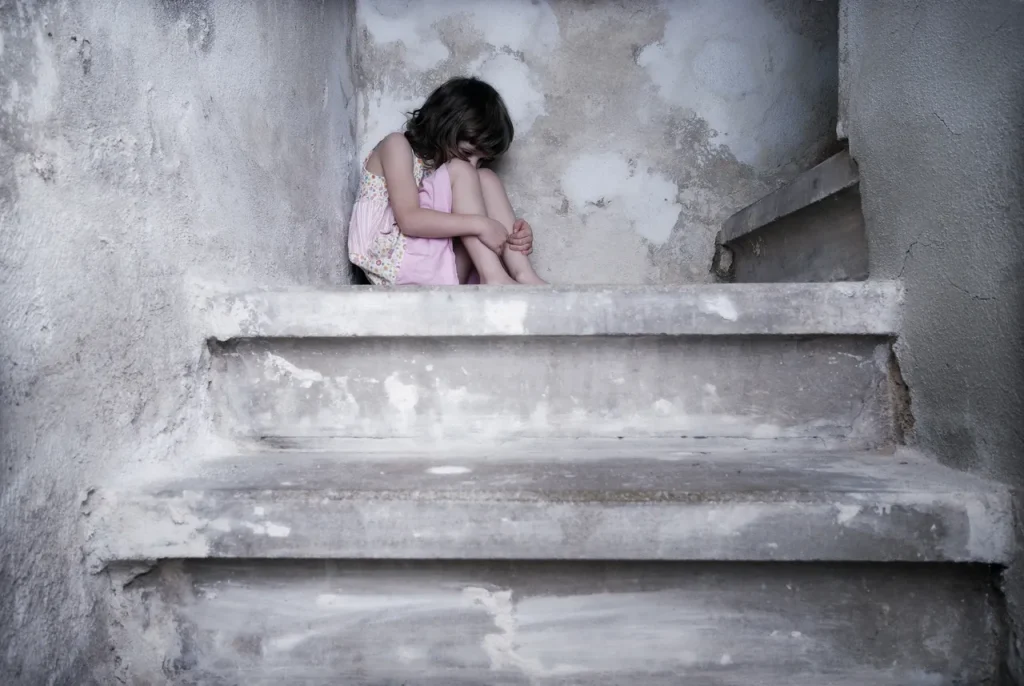
It can be so hard as a parent to know how to help your child or teen if they have anxiety. Anxiety is a concern that seems to be affecting more and more children and teens. It is actually normal for children to experience some fear and worry from time to time. Anxiety in itself isn’t dangerous. However, when these feelings become persistent and interfere with daily life, this is when it can develop into a more serious issue.
What Is Childhood Anxiety?
Childhood anxiety refers to feelings of fear, nervousness, or worry that become overwhelming and disproportionate to the actual situation or event. There are different types of anxiety that can show up such separation anxiety, social anxiety, or generalized anxiety. How anxiety shows up in each child can vary, but the effects can be equally distressing.
Signs and Symptoms of Anxiety in Children
It can sometimes be difficult to identify especially for younger children, who may not have language to express what they are feeling. However, certain behaviors and physical symptoms may indicate that a child is struggling with anxiety:
Some examples include:
- Stomachaches, headaches, or other unexplained aches and pains
- Having trouble falling or staying asleep
- Excessive worry or fear about everyday situations
- Avoidance of certain places, people, or activities
- Frequent crying or irritability
- Difficulty concentrating or focusing on tasks
- Clinginess or fear of being separated from caregivers
- Feelings of hopelessness or helplessness

Supporting a Child with Anxiety
Talk About Anxiety. Have open communication so that your child can talk about their feelings. Listen without judgment and acknowledge that their fears are valid but manageable.
Teach In The Moment Coping Strategies: Help your child learn practical coping techniques, such as deep breathing, visualization, or progressive muscle relaxation, to manage anxiety in the moment.
Predictable Routines Help: Children feel more secure when they know what to expect. A consistent routine can help reduce feelings of uncertainty and anxiety.
Avoid the Urge to Overprotect: This can be a hard one for parents/caregivers because it’s so hard to see our child experience distress. It’s important to offer comfort however it’s just as important to encourage your child to face their fears in small, manageable steps. Gradual exposure to anxiety-inducing situations can help them build resilience.
Model Calmness: Children look to parents or caregivers to learn how to deal with anxiety. Even if you don’t always feel that way, try to show calmness and emotional regulation when faced with stressful situations to model these skills for your child.
Seek Professional Help: If anxiety is significantly impacting your child’s daily life, it may be time to seek the help of a mental health professional. Therapy, particularly Cognitive Behavioral Therapy (CBT), is an effective treatment for childhood anxiety. In some cases, medication may also be prescribed to manage more severe symptoms.
By fostering an open and supportive environment, parents and caregivers can help children navigate the challenges of anxiety, building a foundation for healthy emotional development.
If you think your child might be struggling with anxiety, reach out to me at Sunray Child & Family Counselling and book a free, 15 minute video consultation.